
Review: Shel We
Thanks to the creativity and talents of the award-winning Sāmoan choreographer and dancer, Tupua Tigafua’s Shel We is an offbeat, joyful, playful, mischievous, enchanting, whimsical, and funny dance work. I am sure that many members of the audience saw this show because they are familiar with some of Shel Silverstein’s many children’s books. However, if you are not familiar with Silverstein’s acclaimed The Giving Tree, you may find it useful to know that the story features the relationship between a boy and an apple tree. Over the decades, the boy ‘takes’ shade, apples and even wood from the ‘giving tree’—finally, as an elderly man, sitting on the remnant stump to ‘rest.’
There have been many interpretations of The Giving Tree story. In Shel We, audiences are invited into a world of play and whimsy that also encourages reflection on the nurturing relationships with ancestors, family, and the natural world. The piece includes a small number of reflective songs, where Tigafua is first relaxing stage left, on the ground, and later standing stage right, reflecting on the importance of the past present and future ‘threes.’ And there are frequent refences to the passage of time, and evocations of times of joy. Trees may outlast many of us but, in the dance, there is still the same sense of time passing for both the plants and people: from the planting of the seed through to the growth of the tree, including the use of the wood for the boat, and with the transition from our own youth to old age (and perhaps even a return as ghosts of the ancestors).
Tupua Tigafua (Creator, Choreographer and Performer) is joined on stage by talented fellow performers Sean MacDonald, Christopher Ofanoa, Aloalii Tapu, and Villa Lemanu. Tigafua’s show is described as ‘a playful tribute to Tupua’s parents, his family and the environment that inspires him. Set against an evocative classical score, the work is a joyful blend of laughter, strangeness, love, memory and the natural world.’
I have several strong Shel We memories. The intriguing walking, and counting the steps to the point at which a new seed might be dropped. The joyful and funny moments, such as the ‘transformation’ of the artists into trees and deer, are beautifully-timed ‘laugh out loud’ points in the show—possibly because they remind us of the sheer delight in the creativity of childhood play and imagination. The stillness and languorous rest under the tree, and later singing, holds the audiences’ full attention, as we strive to hear the words and giggle at the yawns.
But it is those movements of activity and communal dance that are the absolute highpoints of the piece. It is an delight to see those moments when the majority (or all) of the cast move together in a powerful, contemporary response to the music of Vivaldi and other classical composers. The extended ‘curtain call’ reprise of the moments of tumbling, fast, and frenzied dance is a very special way to remind us of the skill of the performers, leaving the audience wanting more.
In the program, Tigafua suggests that Shel We invites you to ‘use your imagination as a way of understanding life. Not using it to escape from reality, but as a way of seeing reality more deeply.’ For me, this show was an intriguing blend of the Silverstein book, in combination of memories of place and family—with an emphasis on celebrating our relationship with the natural environment. I can’t claim to have seen reality more deeply, but I am pleased to have had the opportunity to see this show, and to reflect on the talents of the performers and choreographer.
However, I did come away wishing that Shel We was placed in a different Brisbane Festival venue, or that the Cremorne Theatre stage had been elevated so that those of us in row 4 could see the floor and footwork of the dancers. Perhaps the Brisbane Powerhouse, Metro Arts Benner, or Judith Wright stages would provide a better audience experience? And there were times where the lighting and sound levels needed to be increased just a little, as it was difficult to see some of the action while our eyes adjusted to the lanterns, or to hear the words of the early songs.
Shel We dance? I’d say yes; particularly if you are a dance aficionado. Expect trees, ghosts, story, and excellent contemporary dance, If you are seeking a narrative, perhaps read up on Silverstein’s book, The Giving Tree, before you go. Or just be open to seeing a show that might remind you of the joy to be found in childlike play, of spending time in nature, and of honouring your own ancestors and family.
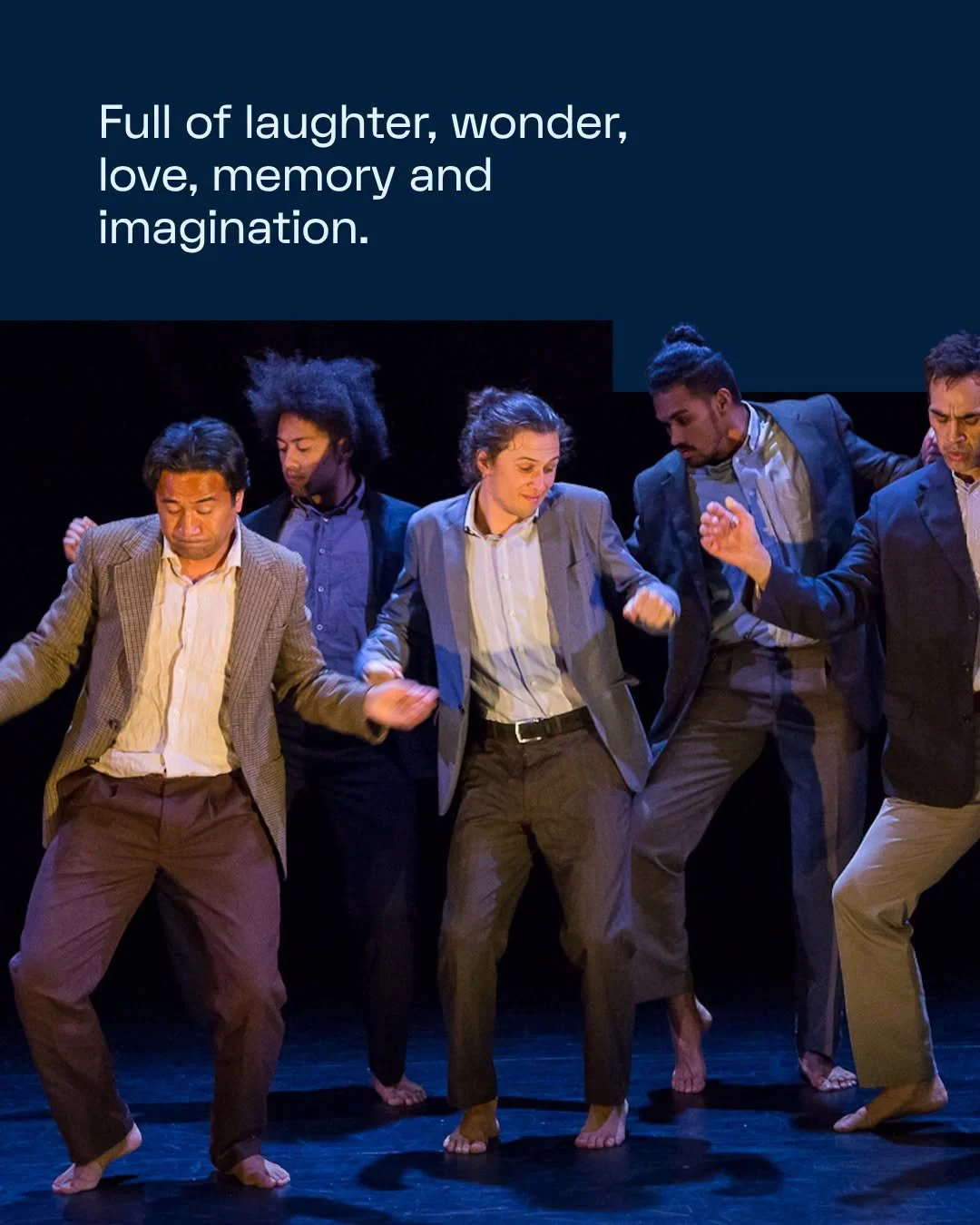
Picture: Shel We Image Credit: Stage Box Photography (NOT A Creative Futures Photography Image)
Audience information: Shel We, Cremorne Theatre, QPAC, South Bank (10-13 September 2026). 14+ suggested. This production includes use of haze and herbal cigarettes, and has a strict no latecomers policy. 55 minutes ( no interval). Tickets $49.90-$59.90, plus $7.50 booking fee. Program available online.
The reviewer attended the 11 September 2026, 6:30pm performance.
Additional Credits: Additional image Jade Ellis (NOT a Creative Futures Photography image), Elekis Poblete Teirney (Lighting Designer), Isadora Lao (Design/Technical Adaptation & Operation), Tupe Lualua (Company Director, Producer & Tour Manager), and Kasi Valu (Stage Manager). In addition, and Sean MacDonald is a performer who is also credited as Rehearsal Director. Acknowledgements: PANNZ (Performing Arts Network New Zealand), Creative New Zealand, and Le Moana.
A version of this review first appeared at Nothing Ever Happens in Brisbane.